A Gamified Healthy Lifestyle Application
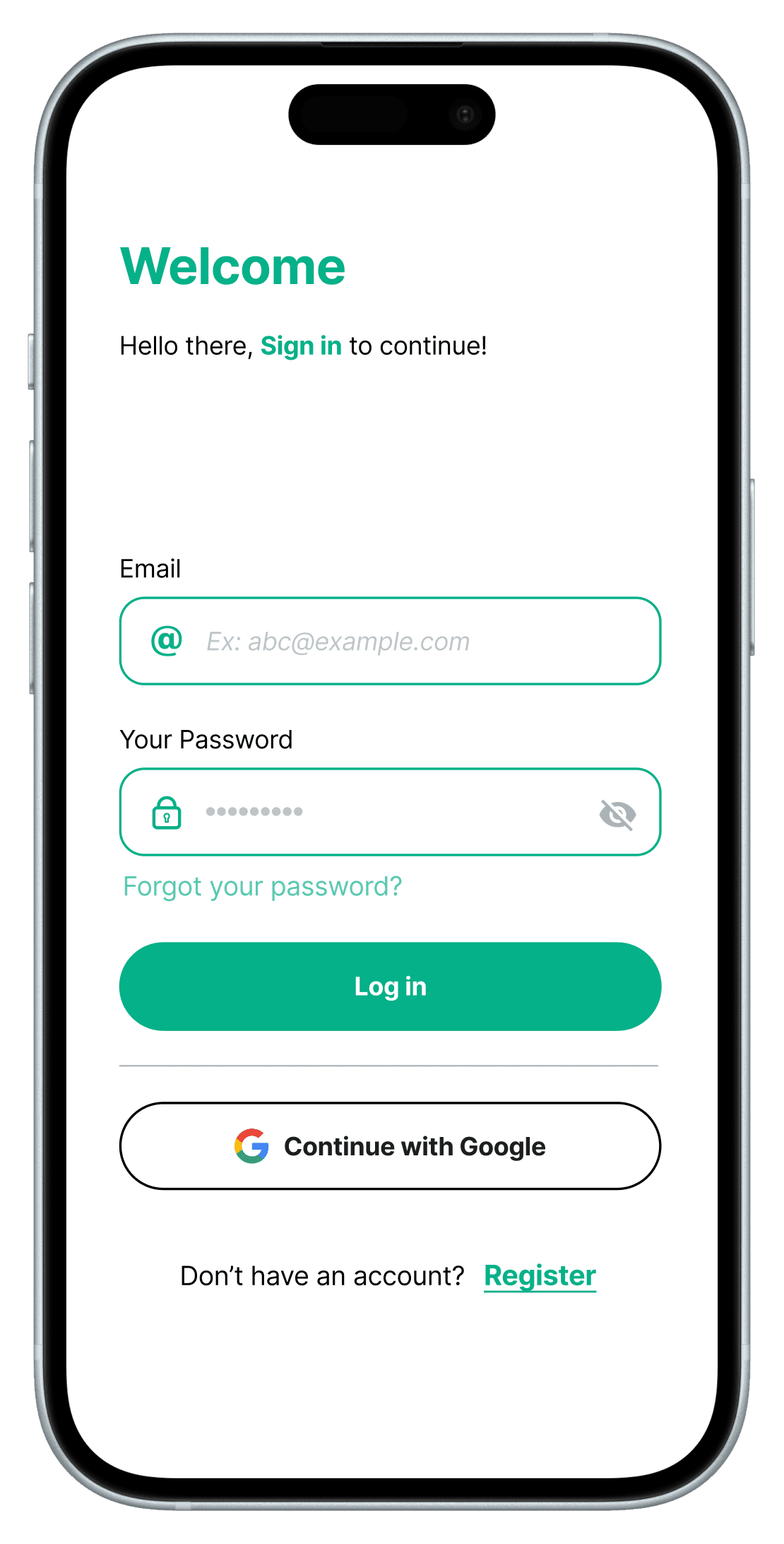
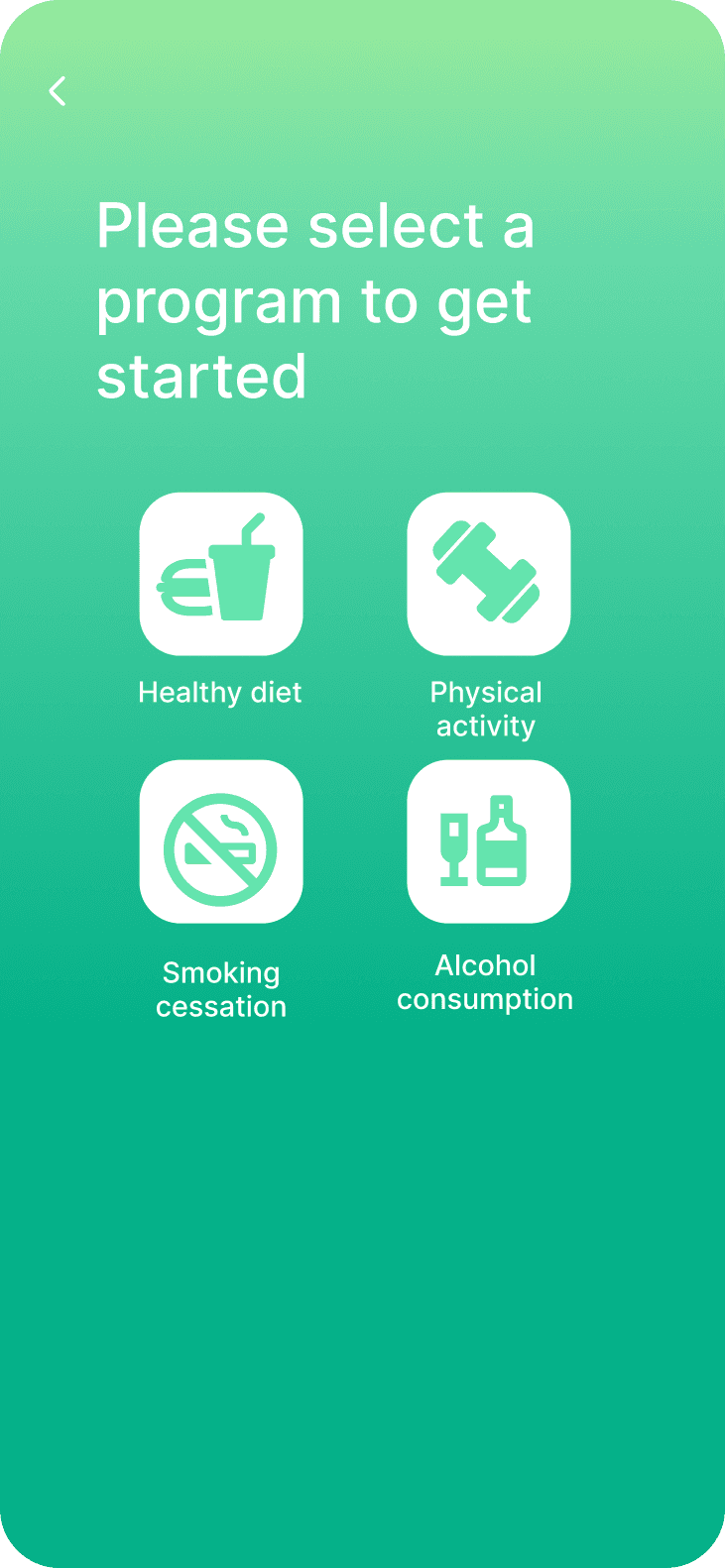
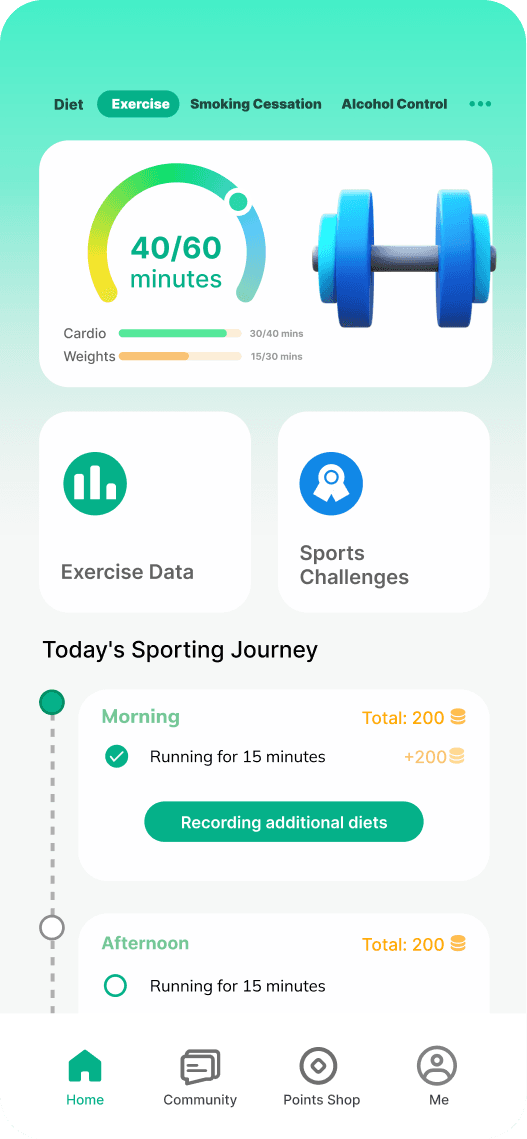
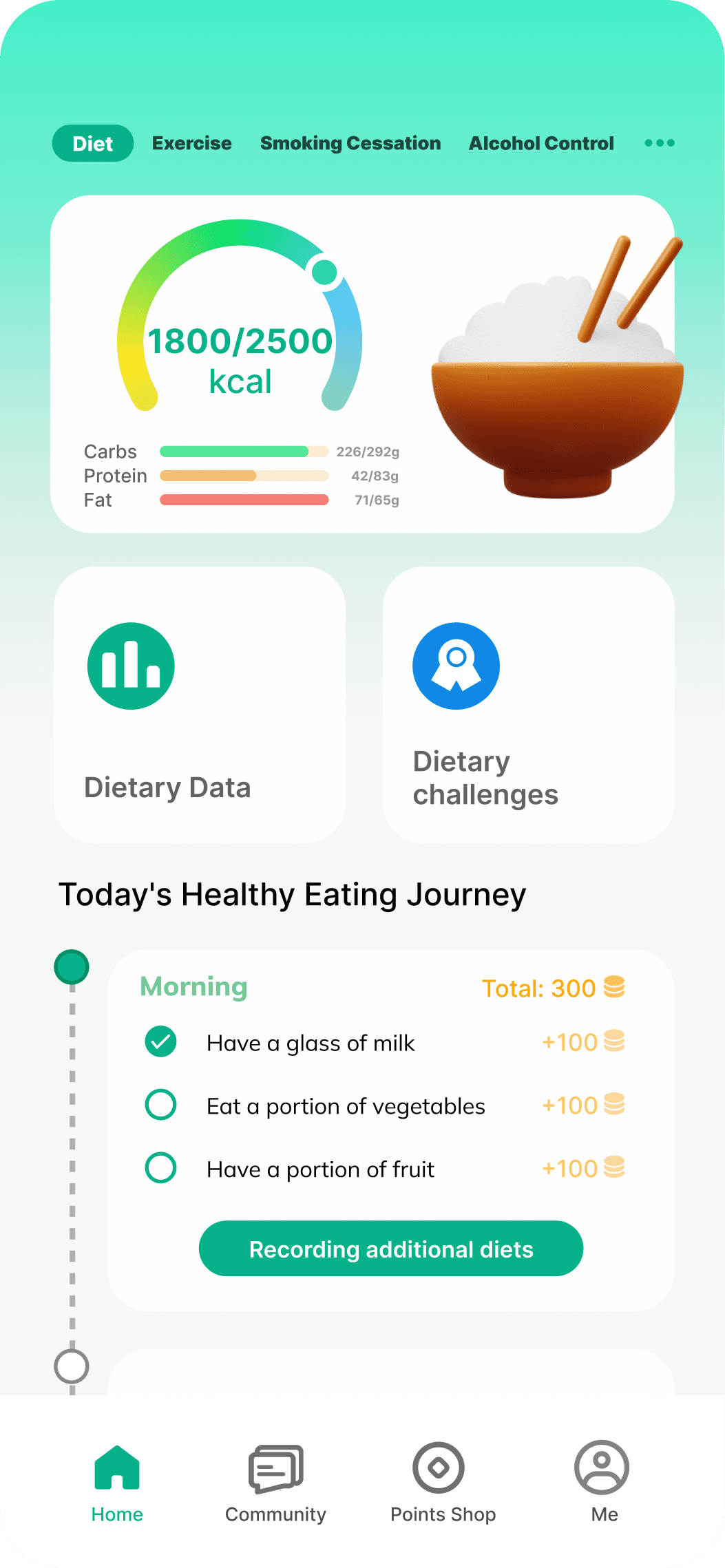
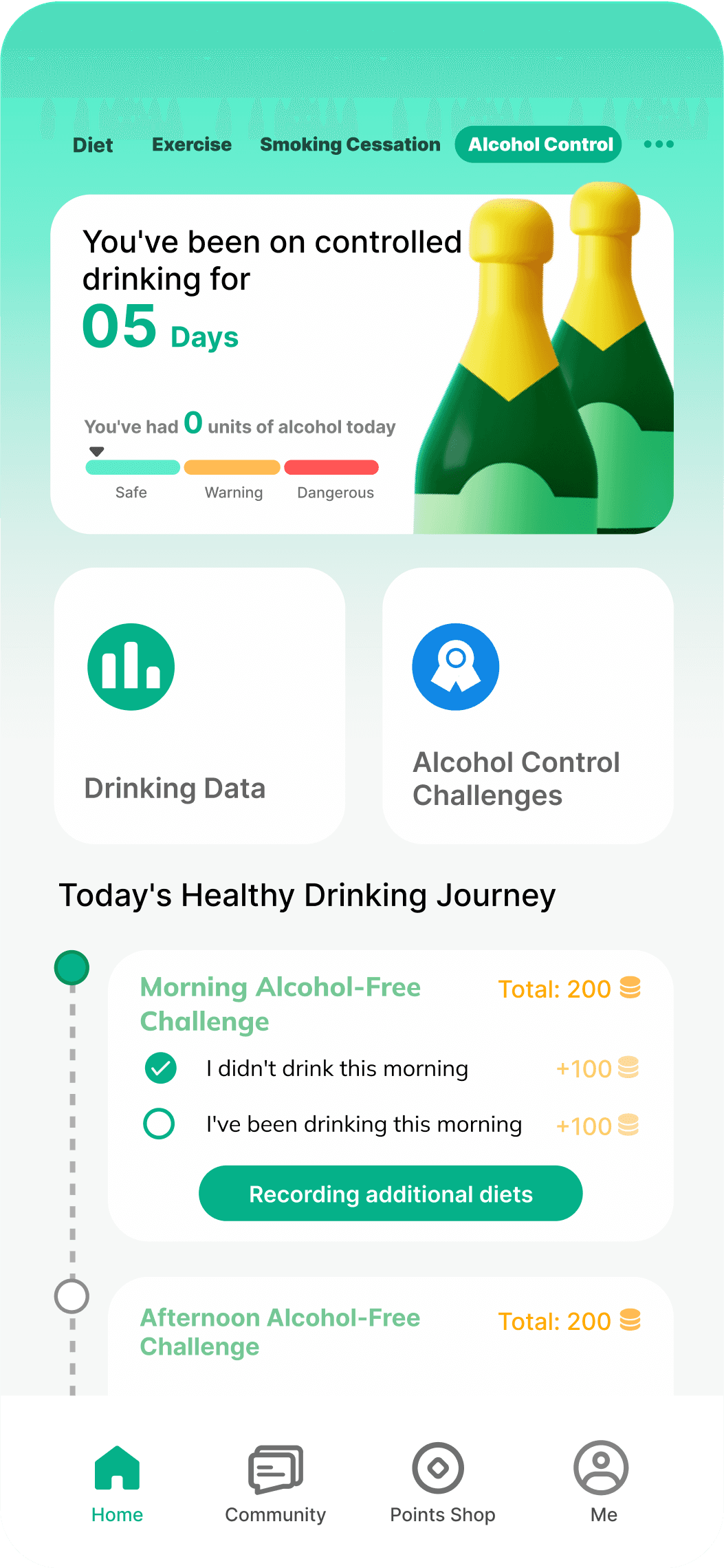
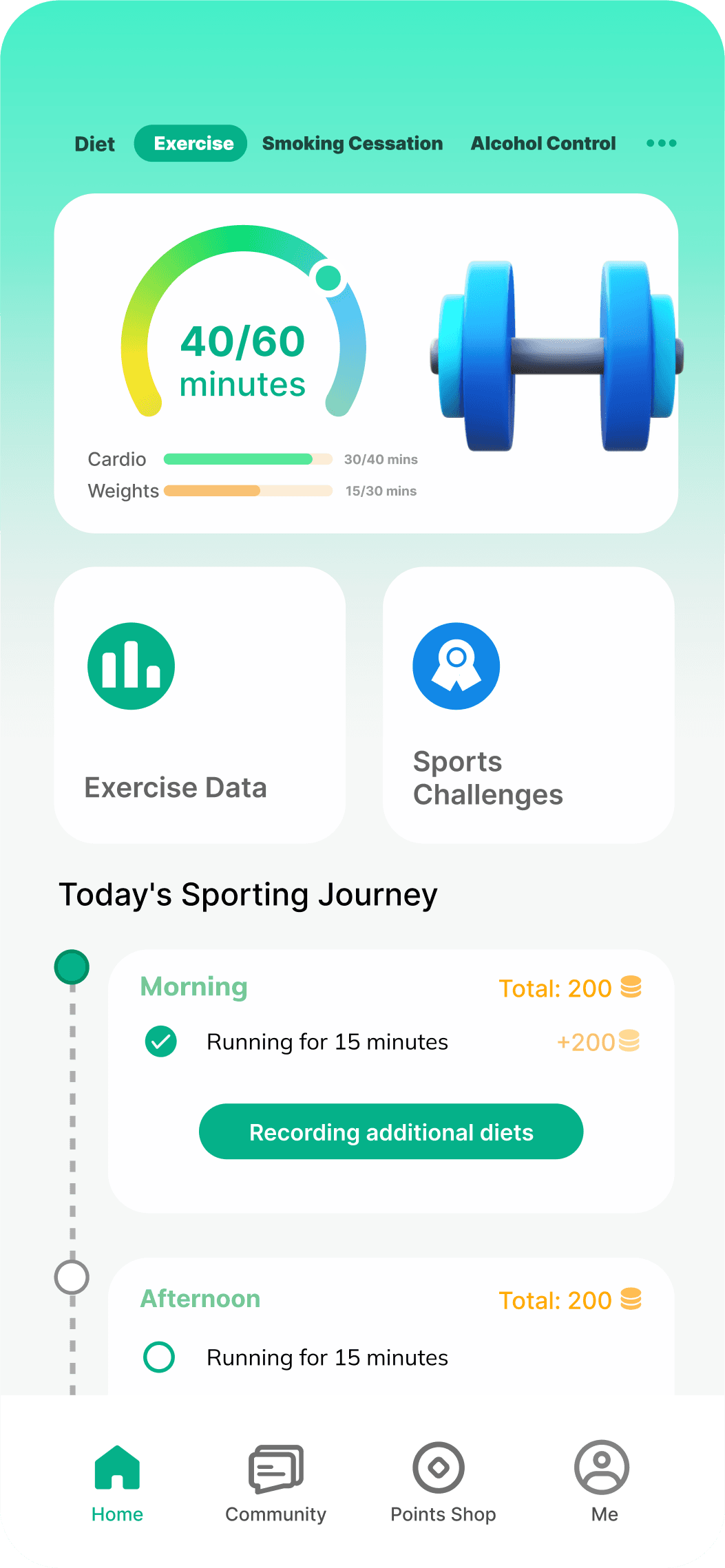
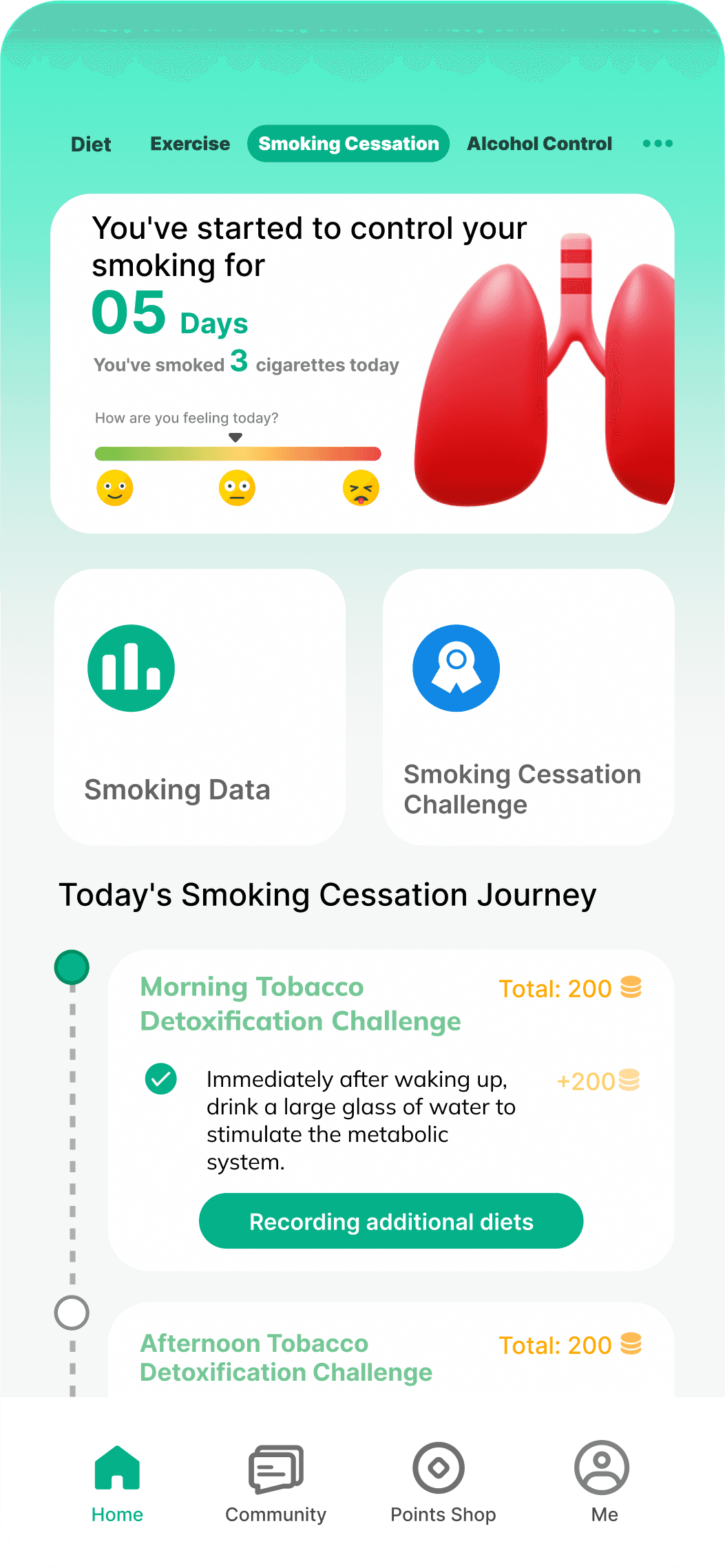
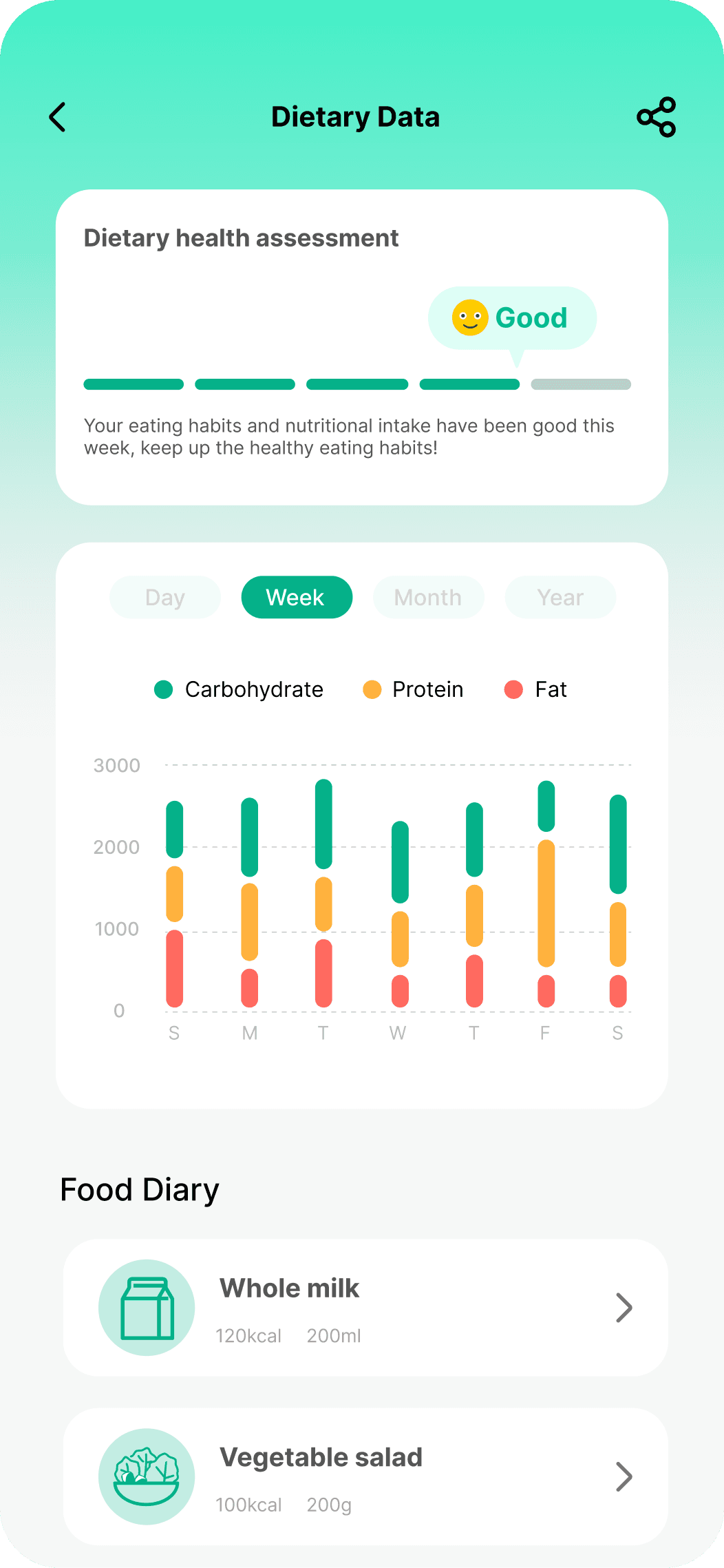
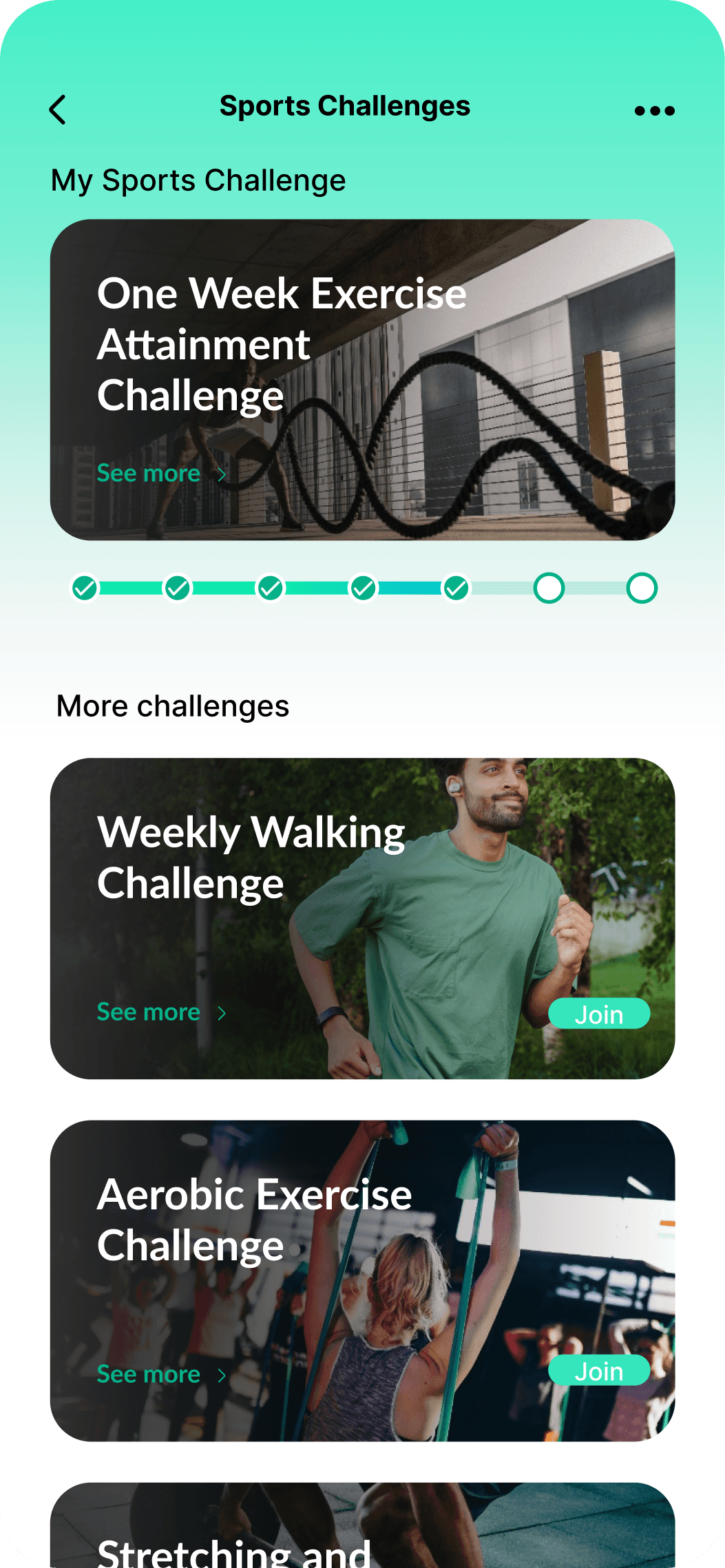
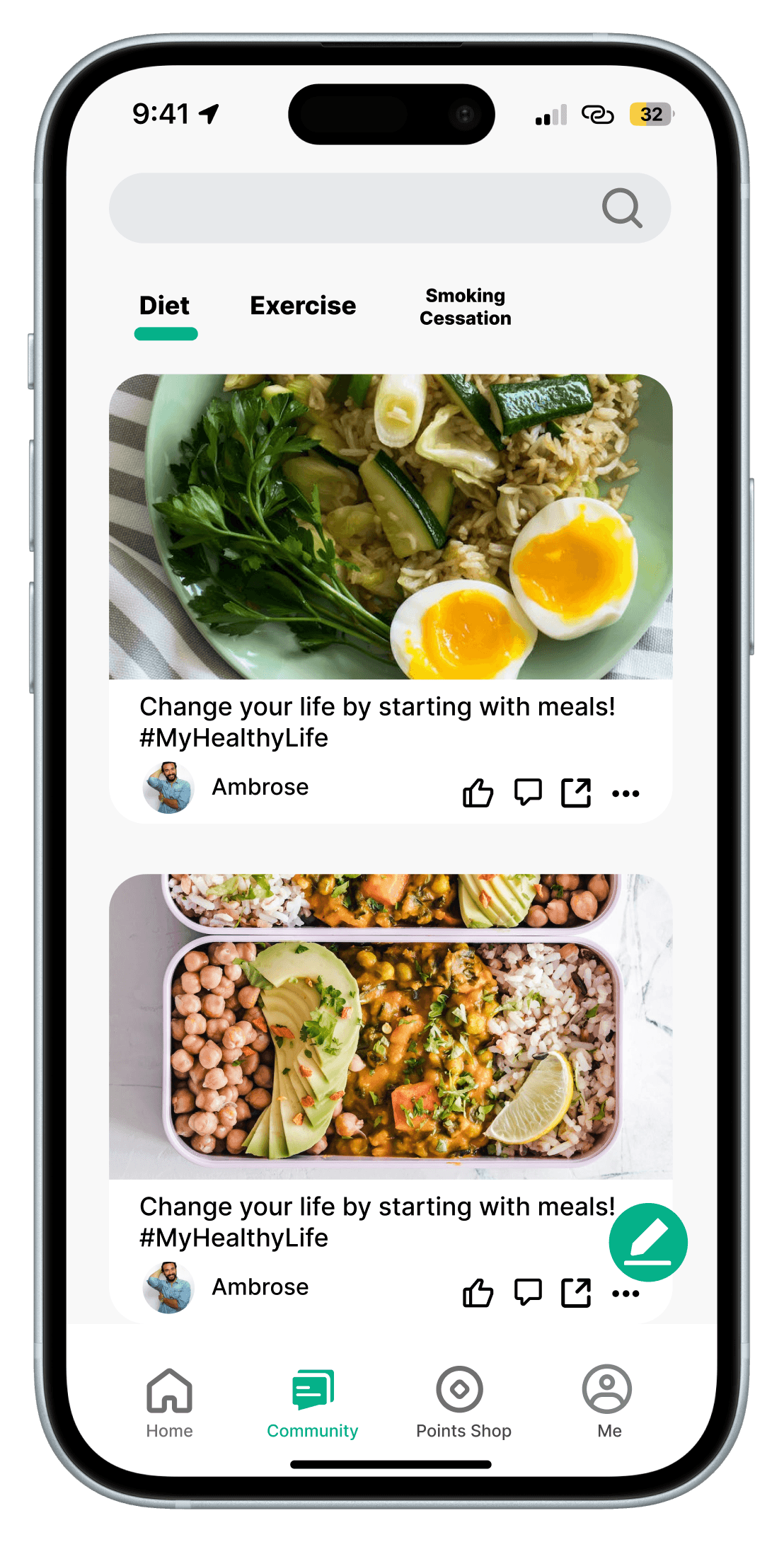
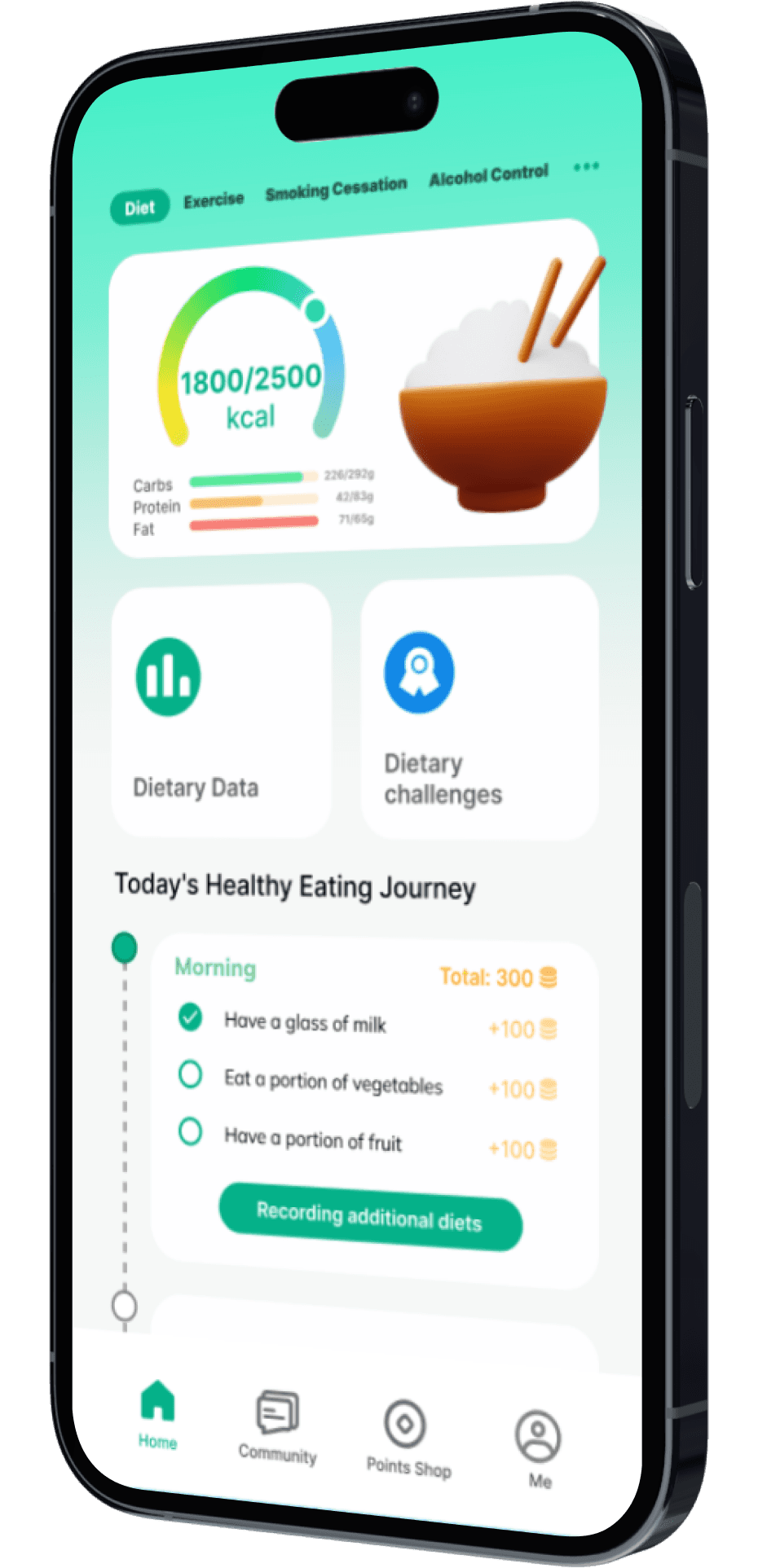
Non-communicable diseases (NCDs) are one of the leading causes of death worldwide, and they are closely linked to people's lifestyles. This project aims to design a healthy lifestyle app covering four key areas: diet, physical activity, smoking cessation, and alcohol control. By incorporating gamification principles, the app is designed to increase user engagement.
Mobile App
UX/UI Design
Gamification





Design Process
Follow the design process of the Double Diamond model to ensure a true understanding of the problem and thoroughly test the solution
The design process for this project will utilise the UK Design Council's Double Diamond Model, a framework widely used in the field of design thinking. The model emphasises the concept of user-centred design. It consists of four distinct phases: Discovery, Definition, Development and Delivery, each representing a specific stage in the design process.
Desk Research 01
Establish a basic knowledge of project-related areas by researching background information
While looking at background information on NCDs, we are also looking at key modifiable behavioural risk factors for NCDs as well as current issues and challenges.
Non-communicable diseases (NCDs) are the leading cause of death in the world today
The World Health Organisation (2022) states that non-communicable diseases (NCDs) are the leading cause of death in the world today, mainly cardiovascular diseases, cancers, chronic respiratory diseases and diabetes, which are closely linked to people's lifestyles.
Key modifiable behavioural risk factors for non-communicable diseases
Key modifiable behavioural risk factors for NCDs include, for example, tobacco use, unhealthy diet, physical inactivity and alcohol abuse.
• Tobacco is responsible for more than 8 million deaths per year (including deaths caused by exposure to second-hand smoke).
• 1.8 million deaths per year can be attributed to excessive salt/sodium intake.
• More than half of the 3 million deaths per year attributable to harmful use of alcohol are due to non-communicable diseases, including cancer.
• There are 830,000 deaths per year attributable to physical inactivity.
Annual deaths from NCD risk factors
Tobacco use
0
2 million
4 million
6 million
10 million
8 million
Physical inactivity
Excess salt/sodium intake
Harmful alcohol use
Problems and challenges
Prevention through the development of a range of responses will make it possible to reduce premature deaths from NCDs. While we have recognized the impact of these modifiable behavioural factors on NCDs, there are a number of issues and challenges to changing people's unhealthy behaviours.
Insufficient participation
Despite the resources and interventions invested by the Government and the health sector that are in place, low participation and adherence rates are frequently reported.
Desk Research 02
Provide the necessary theoretical support for the project by examining the literature on gamification
An in-depth understanding of the origins, development history, core concepts and key principles of gamification theory provides important theoretical support and guidance for subsequent design.
Gamification
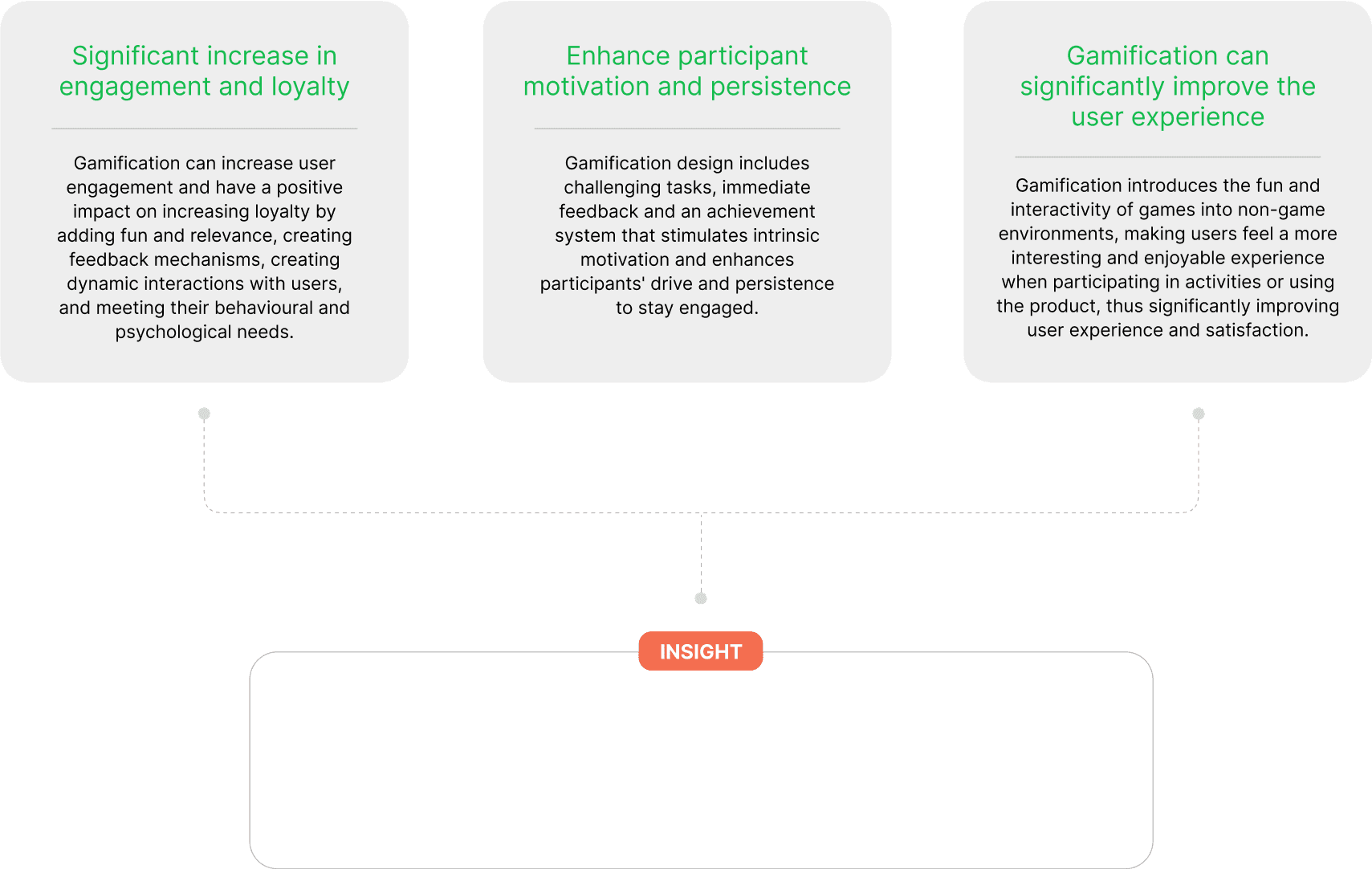
The theory of gamification is widely used in various fields. One of the earliest and most popular definitions is provided by Deterding et al. (2011), who define gamification as ‘the use of game design elements in non-game environments’. This definition emphasises the integration of game elements and mechanics into systems or activities that are not traditionally associated with games. In addition, the definition emphasises that game mechanics are applied to enhance user engagement and user experience.
The most common game element elements elements of gamification include challenges, rewards, competition, hierarchies, achievement systems, role-playing, and more.
Project Objective
User Research
In order to gain a deeper understanding of our target user group and build empathy, we conducted user research to drive our planning phase
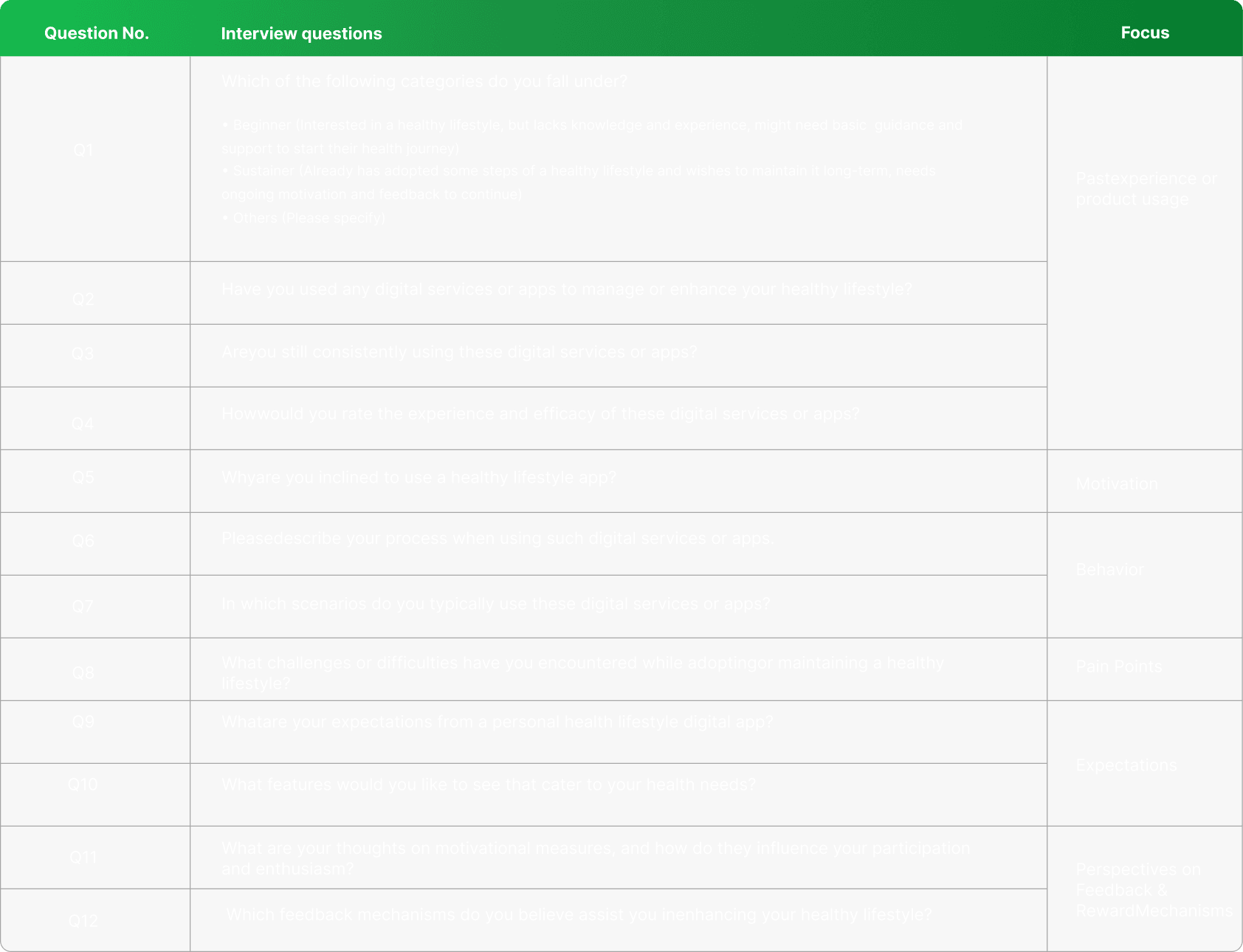
In order to gain a deeper understanding of users' needs, pain points, behavioural patterns and expectations, this project adopts user interviews as the core user research methodology.Problems are identified through user research in order to guide the design of subsequent products, which helps to develop products that are more in line with users' expectations.
3
Completed interviews
20
minutes
Interview duration
The interview took place on Zoom

Affinity Diagram
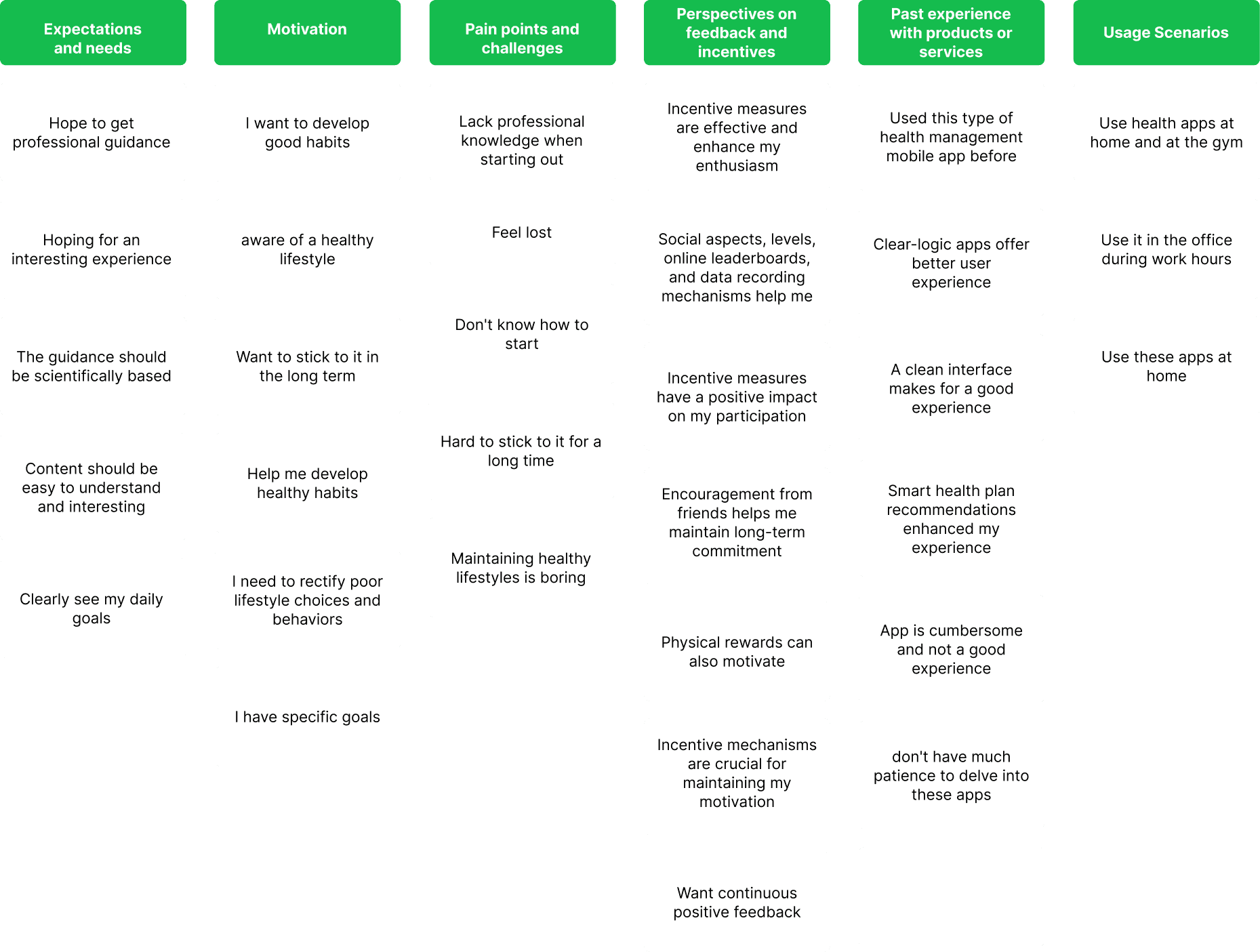
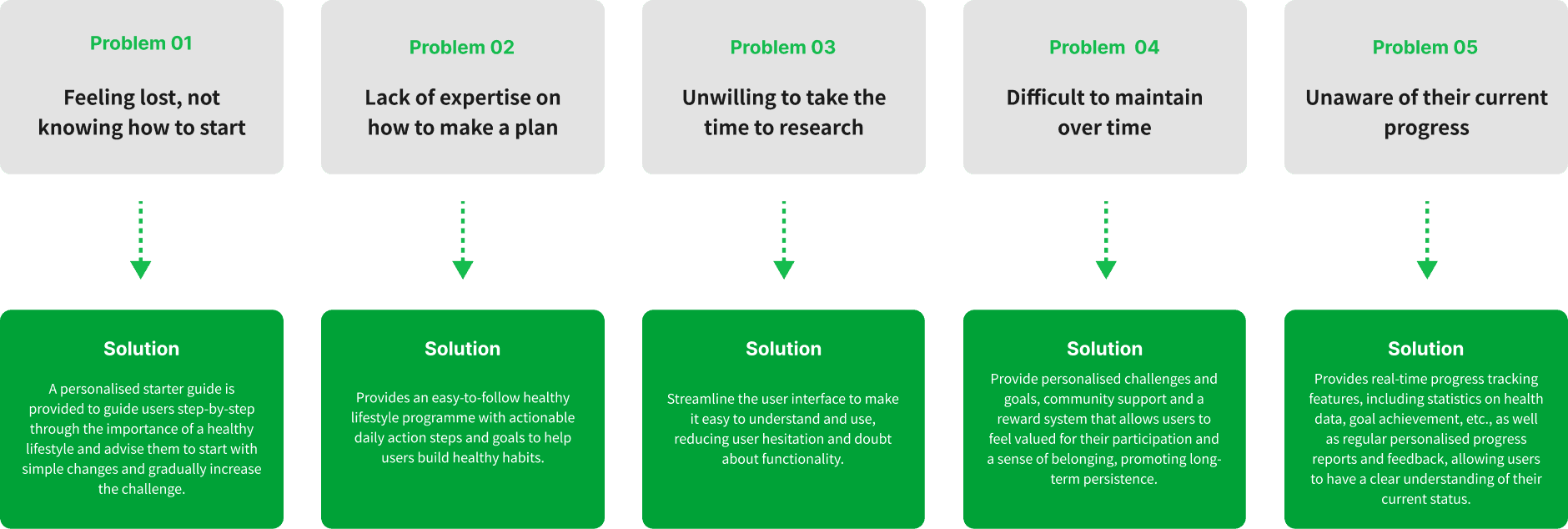
Following the semi-structured interviews, we analysed the qualitative data using Affinity Diagram, where we extracted key sentences or ideas, grouped similar responses, and presented key insights
The extracted key sentences or ideas are categorised and organised according to relevance, and each group is next analysed to summarise the main findings. This helps to better understand user needs and behaviours and provides guidance for further design and development work.
Key Insight
Persona
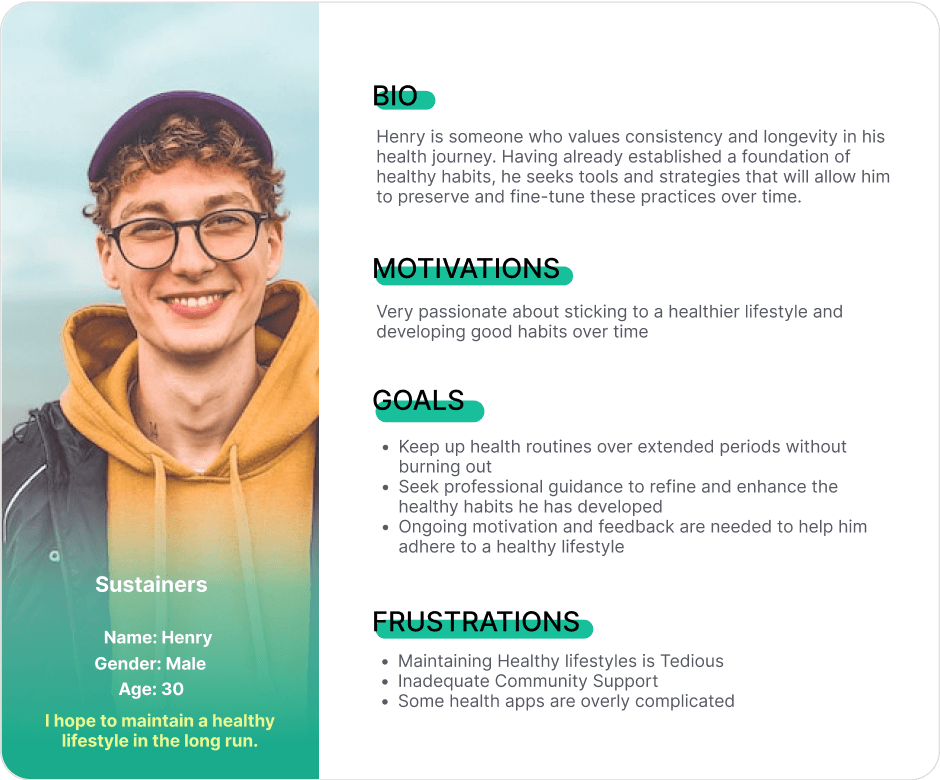
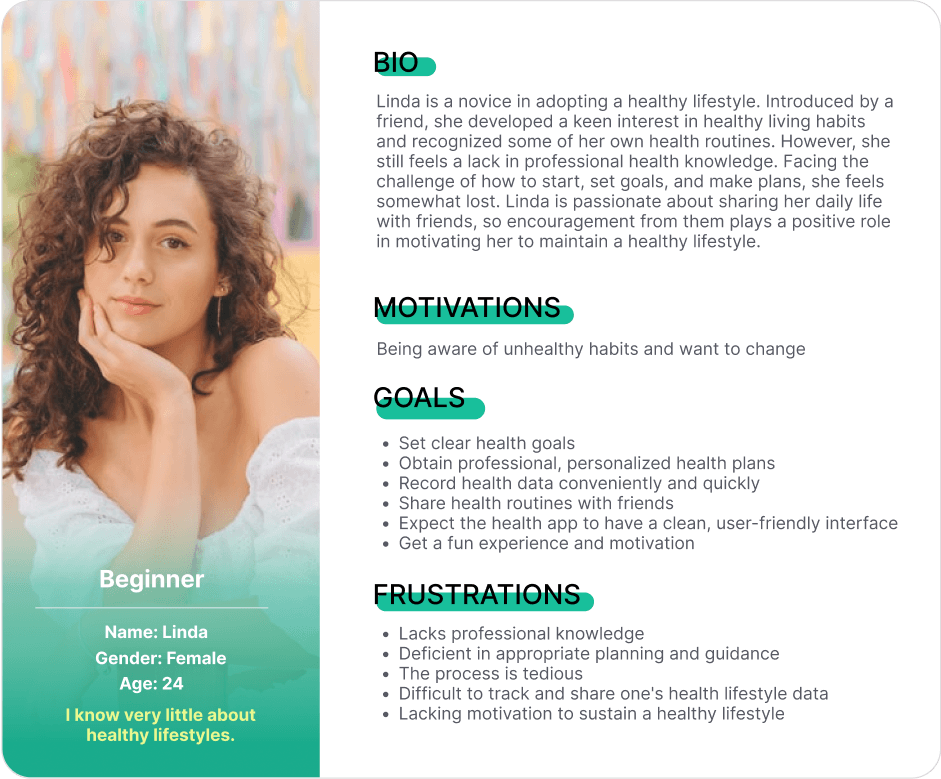
In order to gain a vivid and in-depth understanding of our target users, and to ensure that design decisions are made from the perspective of real users' needs and pain points, we have produced Personas
Based on the results of the analysis of the user study data, two main user groups were identified.
They were beginners, and healthy lifestyle maintainers. After understanding the main characteristics of these two user groups, personas were designed for each type of user.
Customer Journey Map
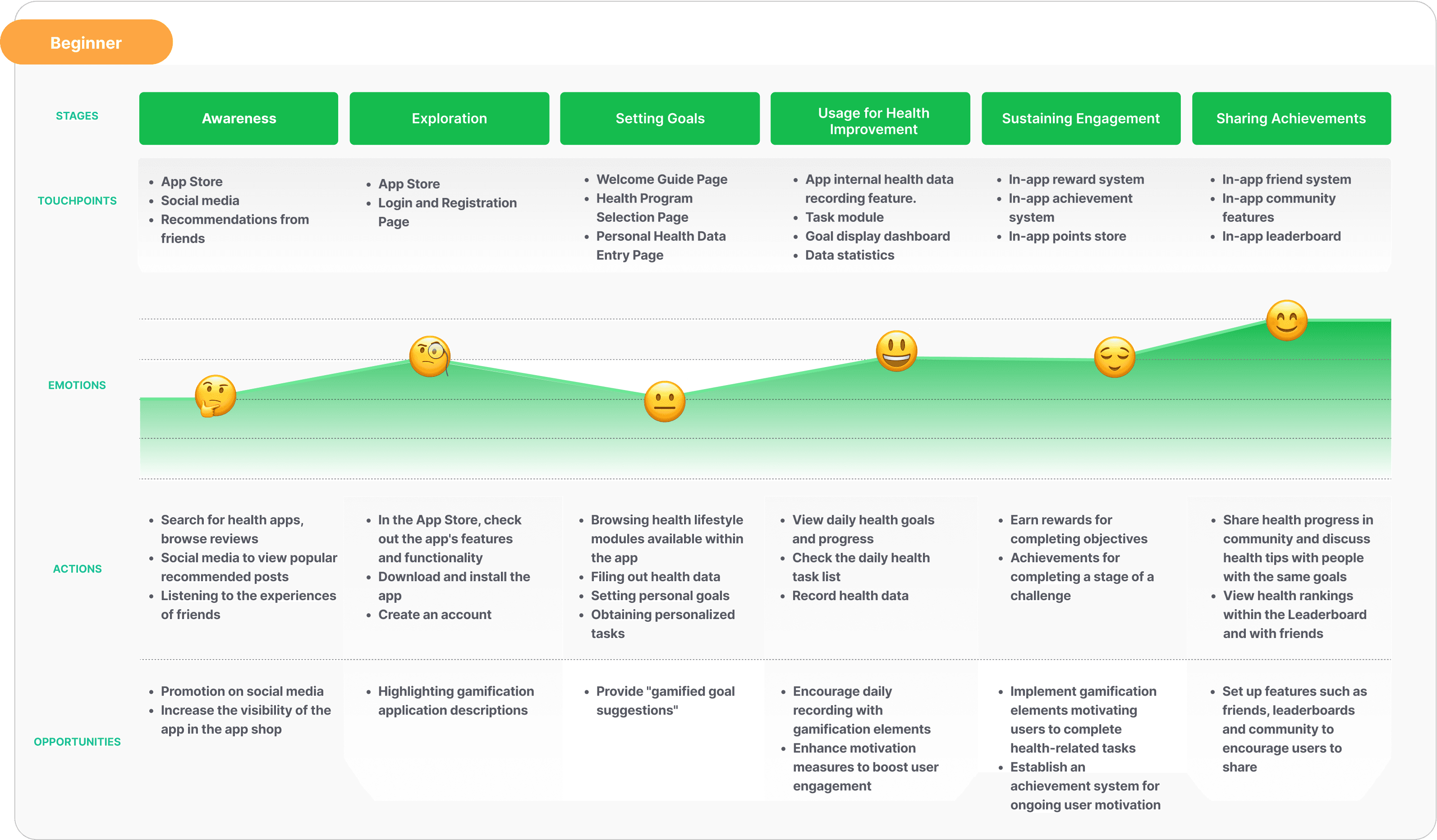
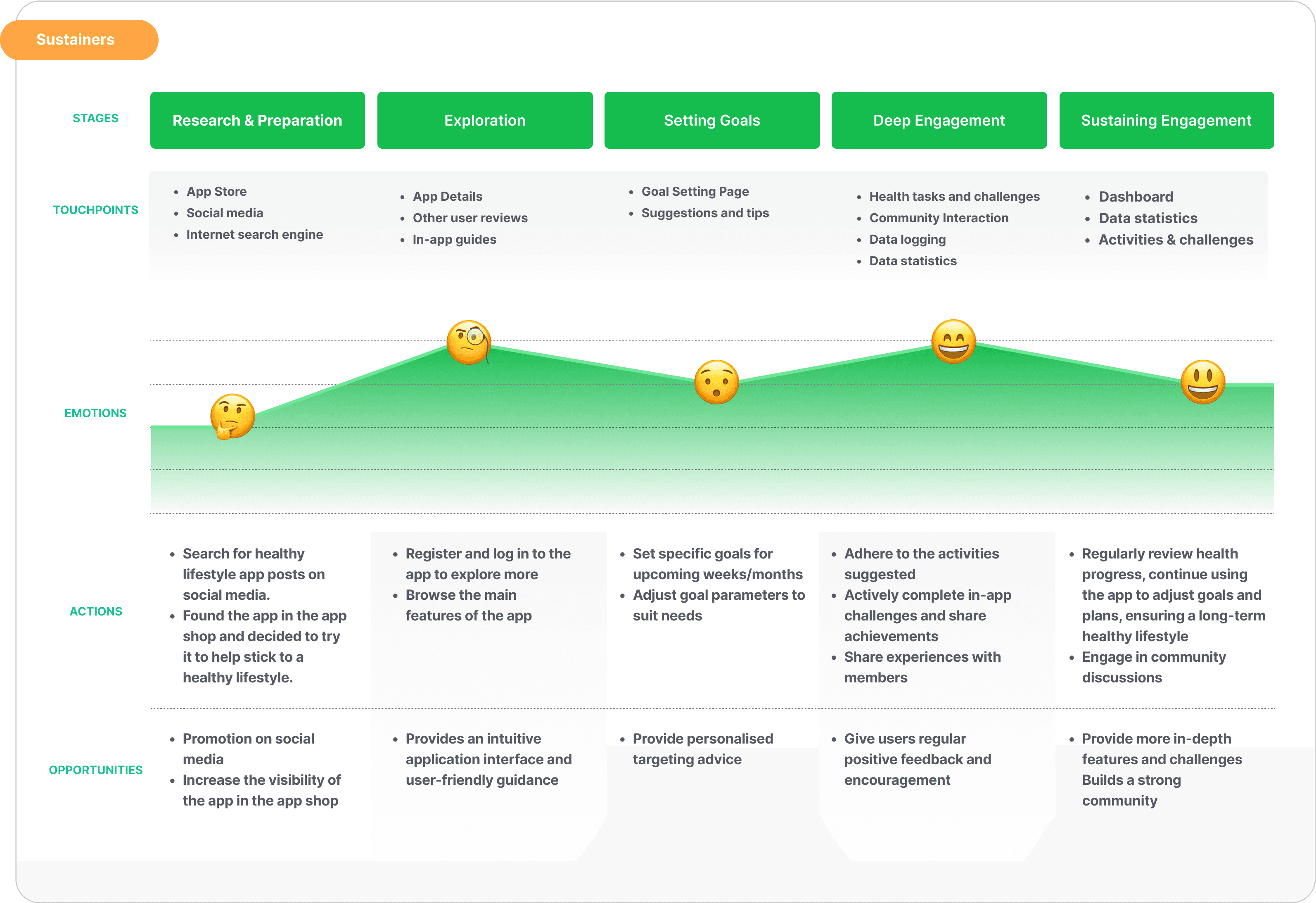
Another integral step in understanding how users interact with a product or service is mapping the customer journey
Customer Journey Mapping (CJM) provides a holistic view of the user experience from the first contact to the long term. By visualising the various touchpoints users encounter, CJM highlights areas of delight, apathy and friction. This approach ensures that designers and stakeholders can identify opportunities to enhance and address pain points.
Information Architecture
Develop an information architecture to ensure that users have the best possible user experience
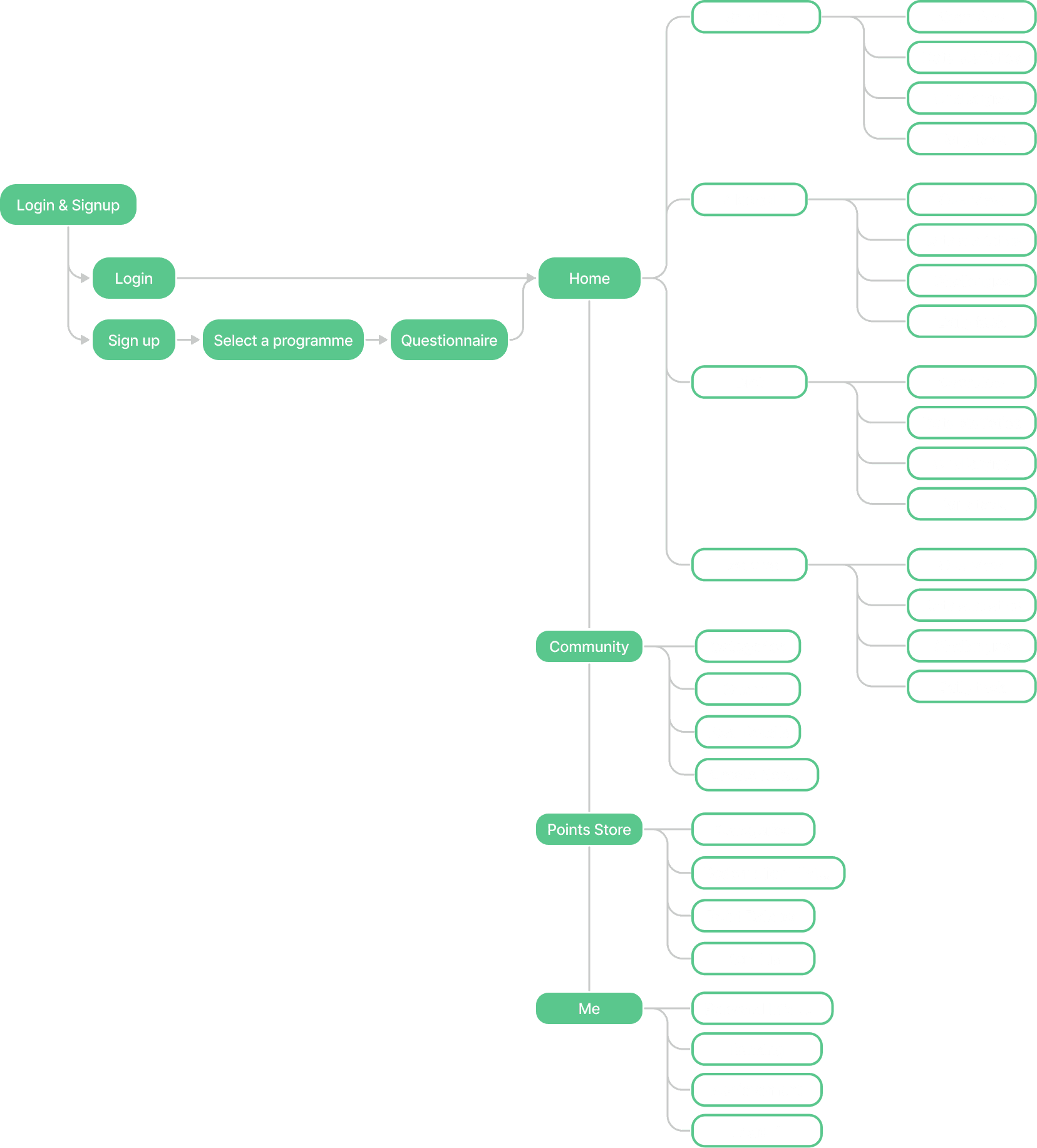
At this stage we develop the information architecture (IA) of the product. It is a visual representation of the product's infrastructure, functionality and hierarchy. The IA defines every pathway and route a user can take through the application, it is more than just a site map showing where a page leads.
Crazy 8s
Generate a large number of conceptual solutions quickly with Crazy 8s
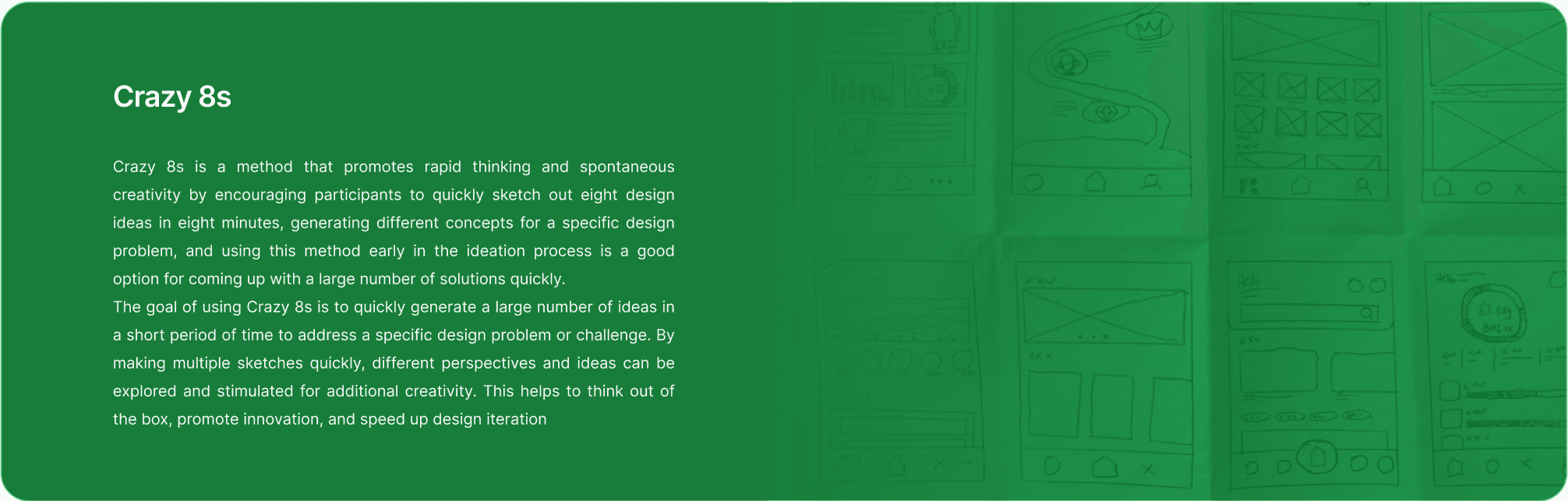
During the divergent thinking phase, Crazy 8s was able to generate a lot of ideas quickly, which helped us to think deeply and explore different design directions quickly.
Low-Fidelity Prototypes
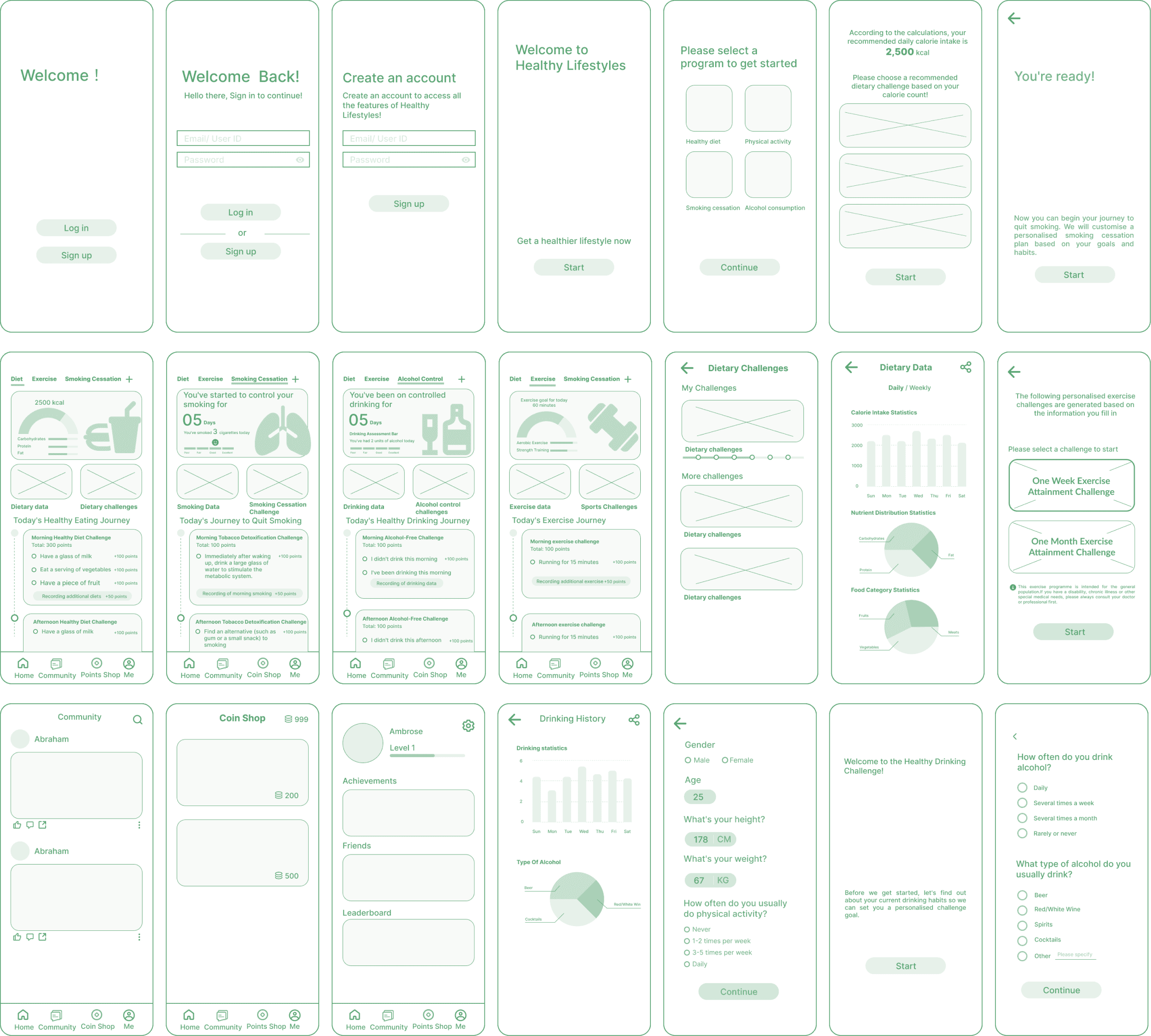
After a quick conceptualisation of the Crazy 8, the next step was to create a low-fidelity prototype to further refine the concept.
In order to quickly test design concepts in the early stages of design so that they can be improved in subsequent designs, a low-fidelity prototype is produced. It is a simplified form of design presentation that can be drawn on paper or on a computer and focuses primarily on functionality, interaction and information architecture rather than detail and final visual design. Digital wireframes can provide a quick, cost-effective, and easily modified way to present, test, and iterate on design concepts.
Usability Testing
After completing the design of the low-fidelity prototype, the next stage is to test the low-fidelity prototype to ensure that the prototype has resolved most of the usability issues before moving on to the high-fidelity design stage
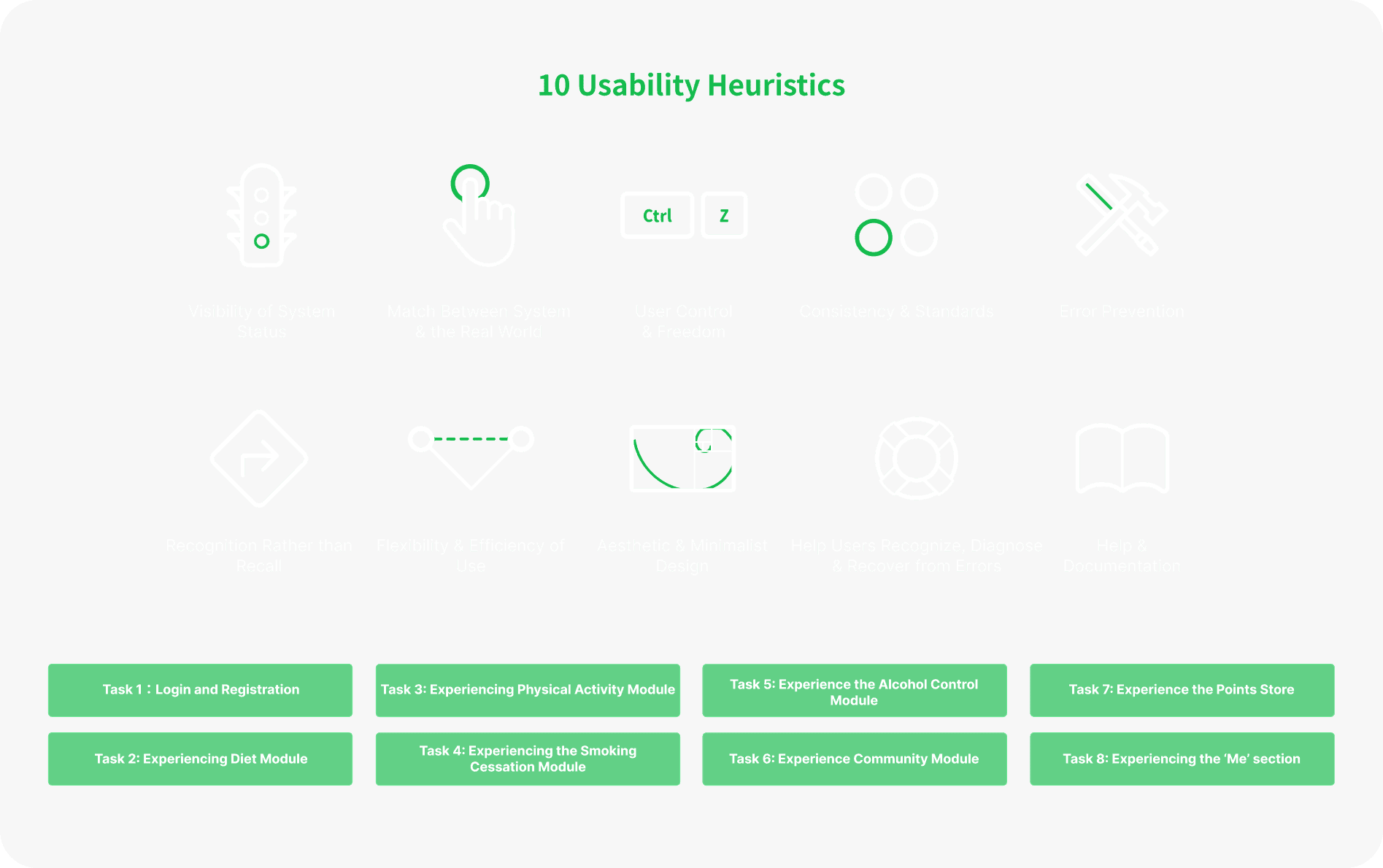
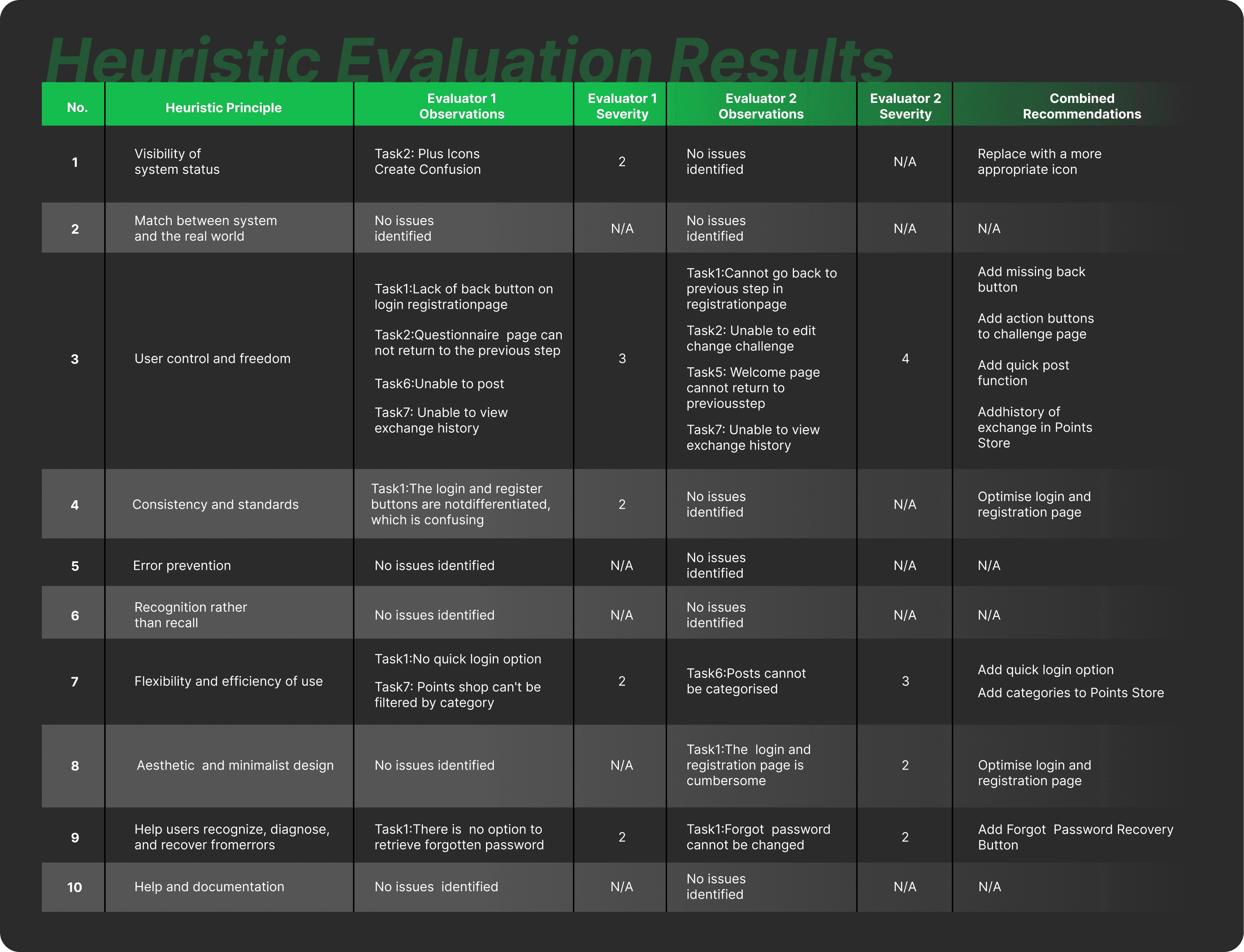
At this stage we invited two evaluators with professional backgrounds in service design to conduct a heuristic evaluation of the low-fidelity prototype, which is a cost-effective way of identifying usability issues in the user interface at an early stage so that they can be addressed during the iterative process. This is an expert evaluation method where one or more evaluators independently examine the user interface and identify problems based on recognised usability principles.
High-fidelity Prototype
Further development of high-fidelity prototypes based on test results and user feedback
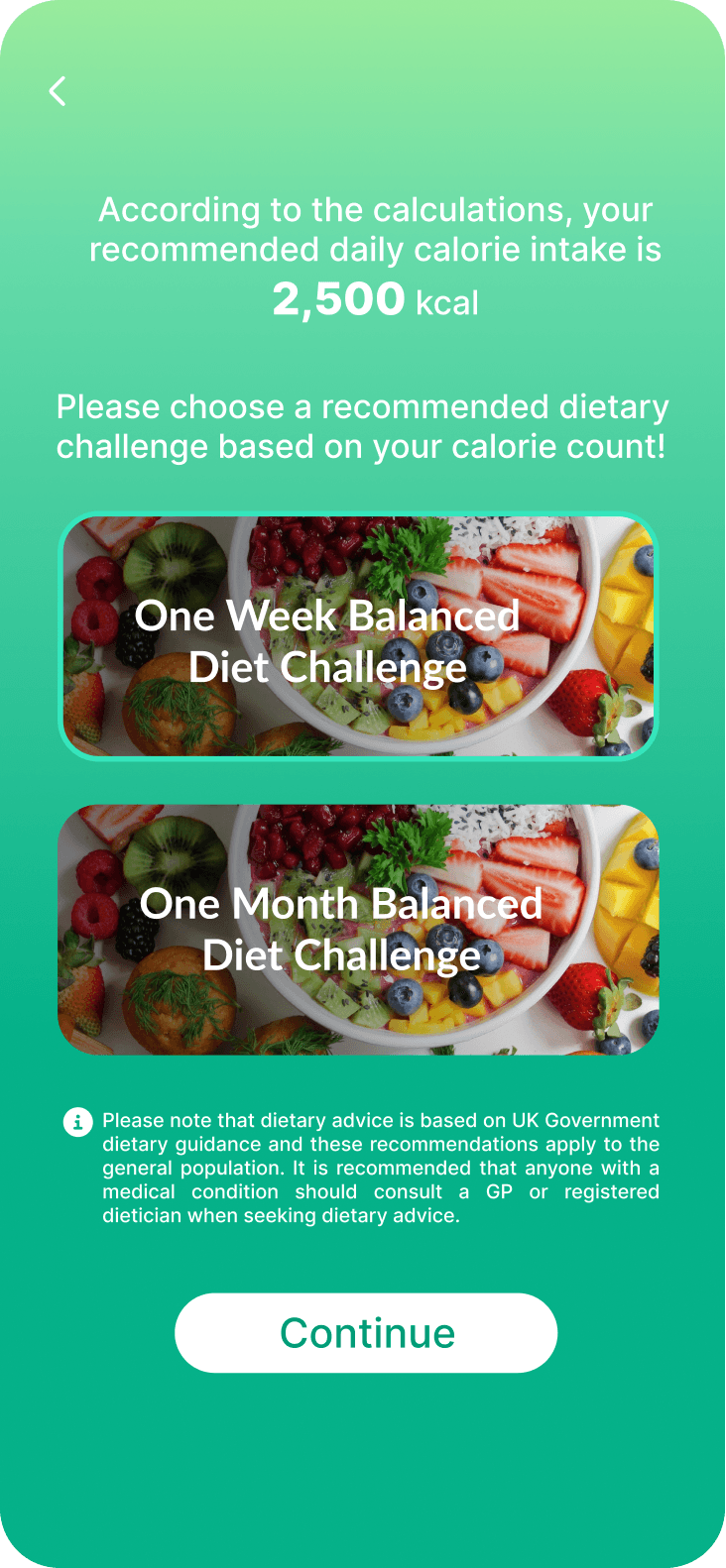
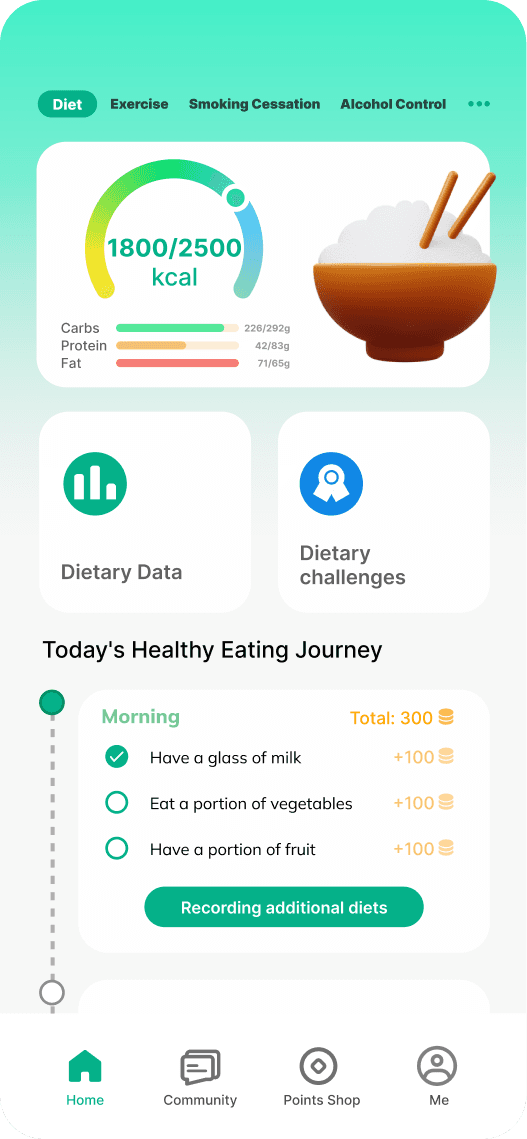
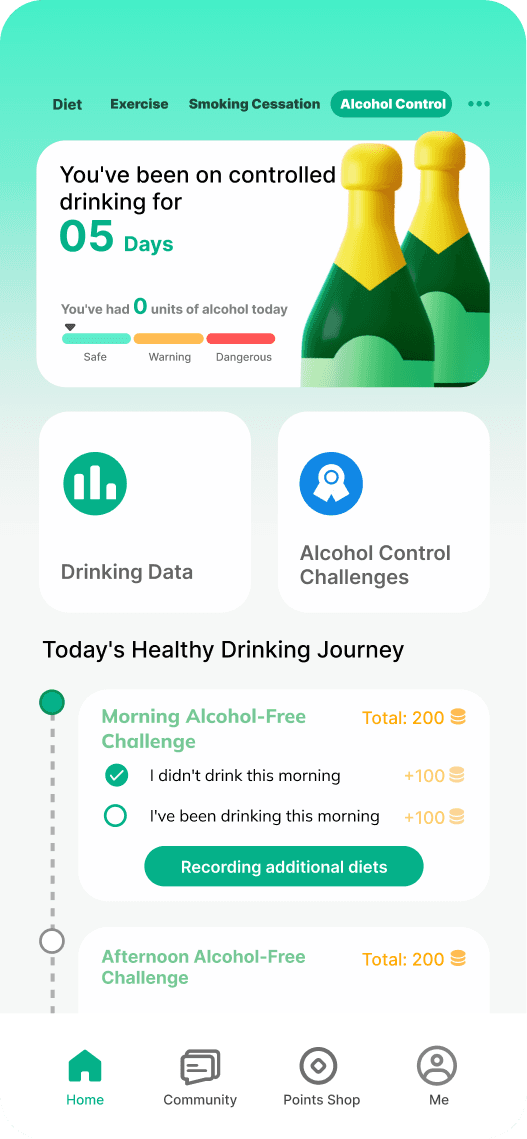
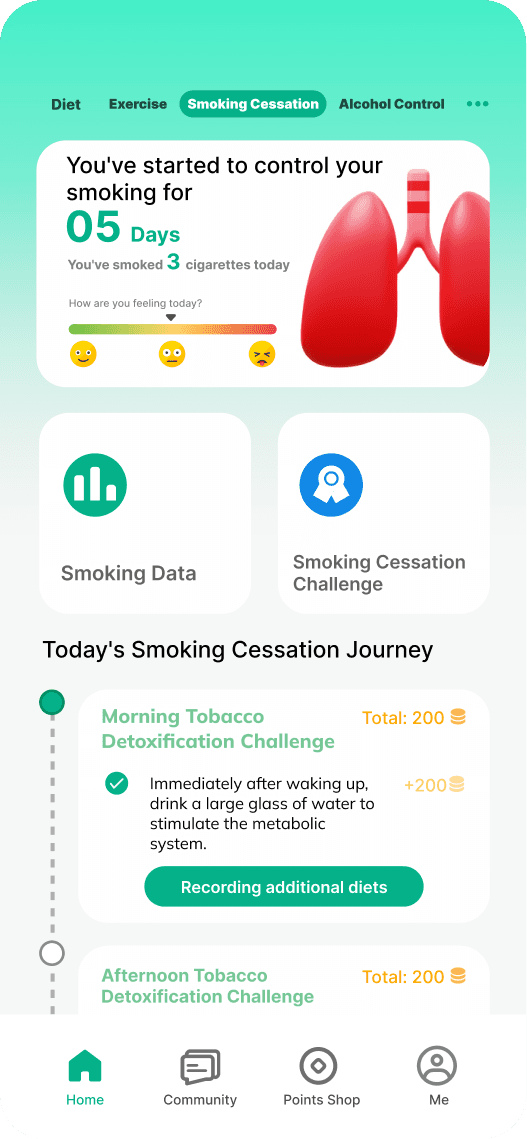
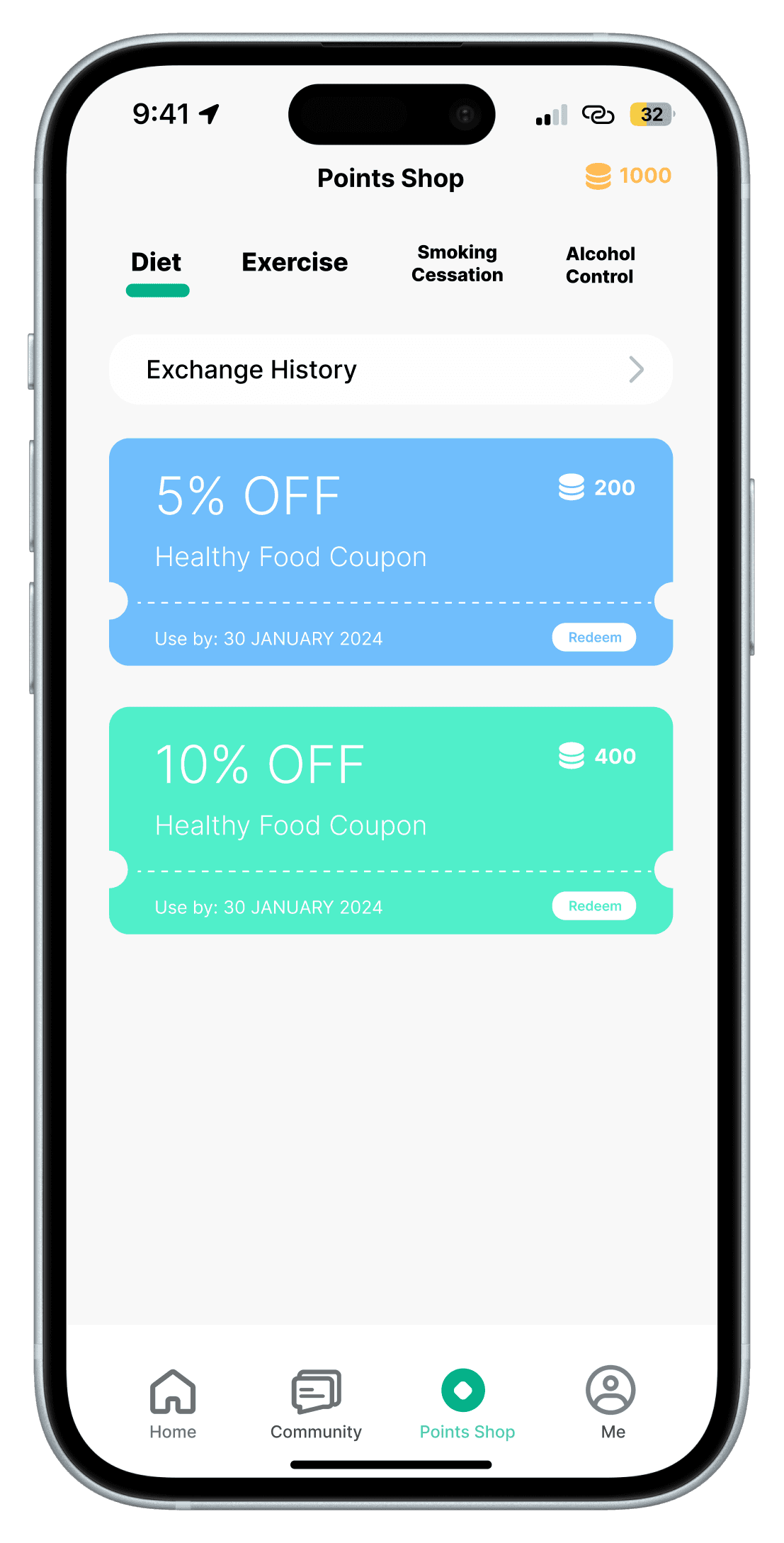
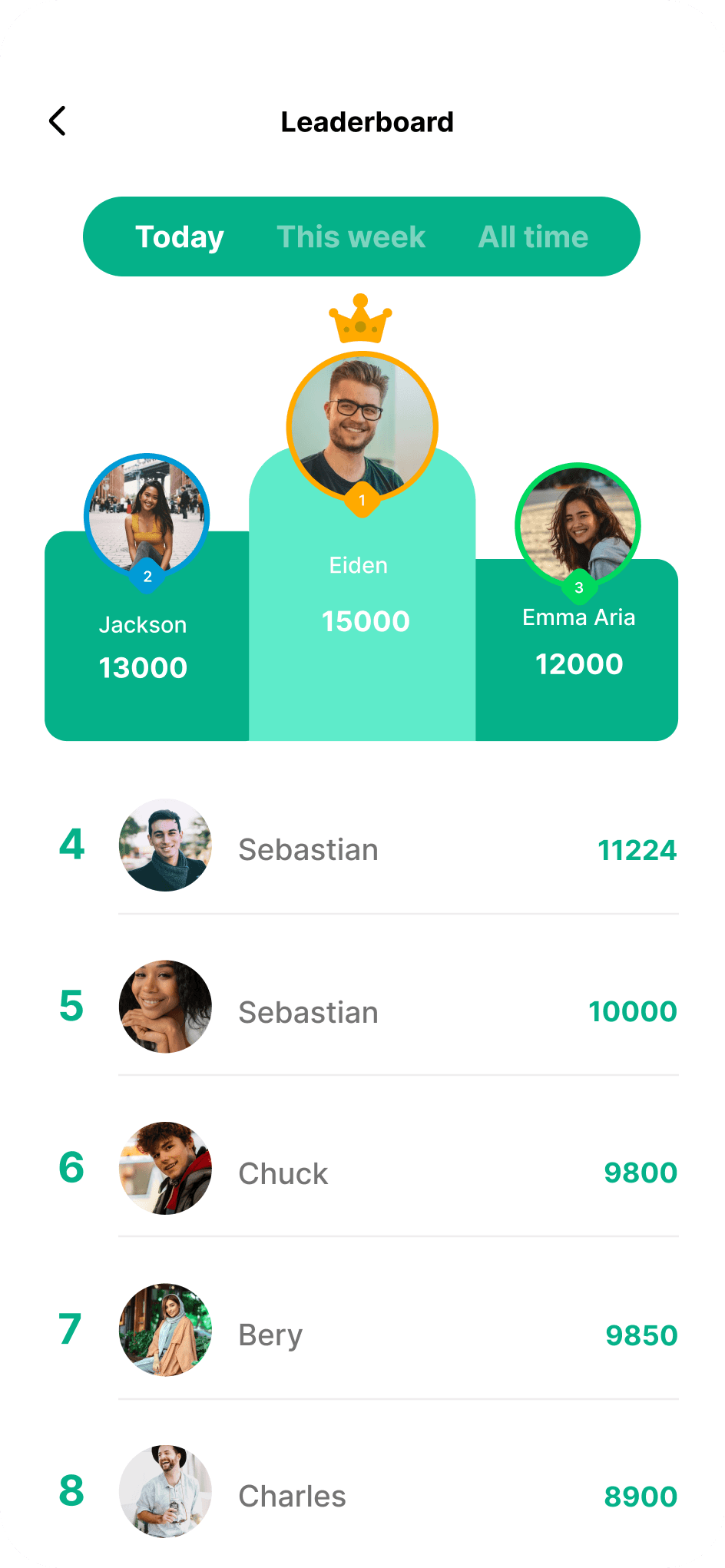
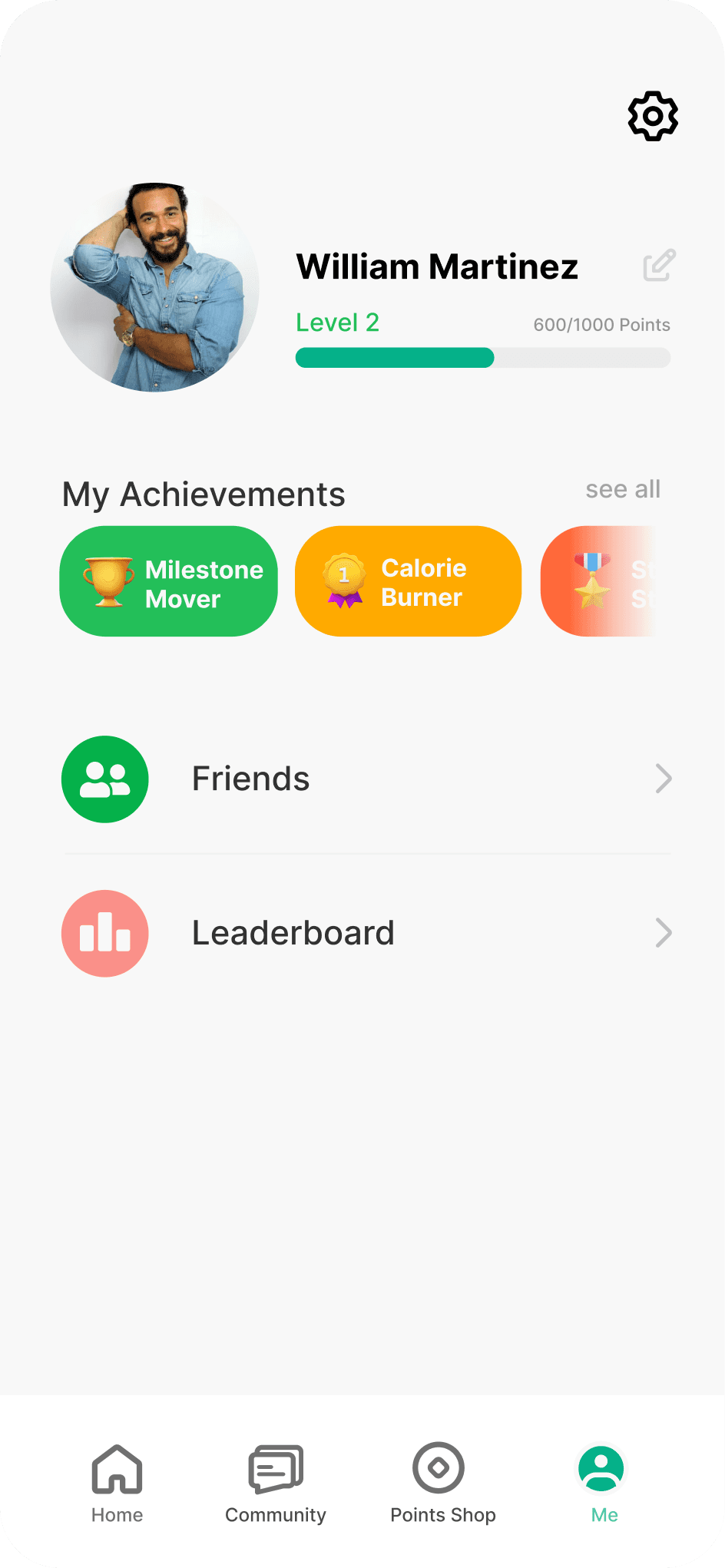
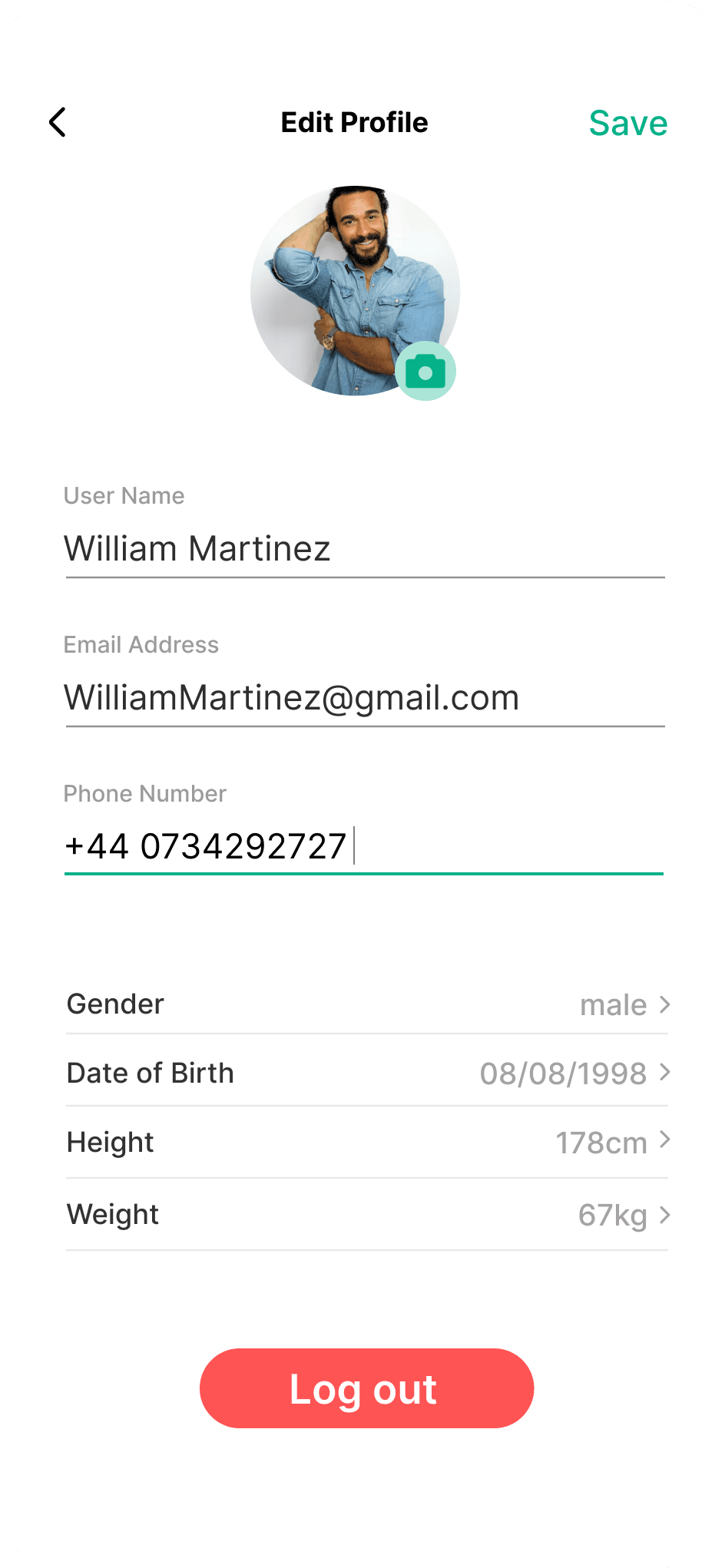
High-fidelity prototyping is a further evolution of low-fidelity prototyping, which provides a more refined and realistic representation of the appearance, functionality, and interaction details of the final product. With high-fidelity prototyping, it is possible to get a clearer picture of the product's appearance and functionality, and thus evaluate its experience more intuitively. In this phase, we improve and optimise the issues found in the testing phase.